
Wedding Reception Coverage: What Your Charleston Photo and Video Team Should Capture
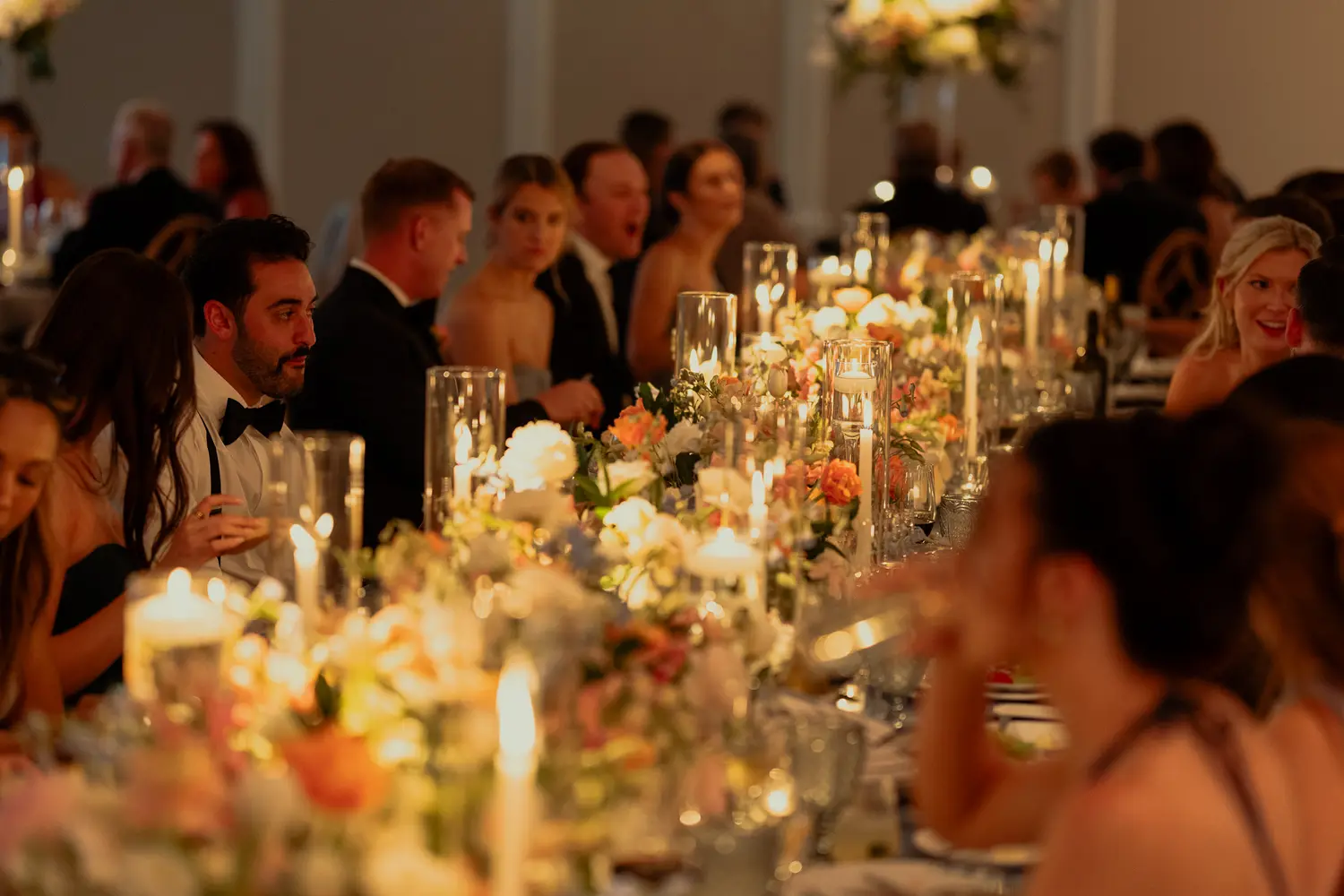
The reception is where the wedding day changes pace. The promises have been made, the nerves settle, and the people you love gather to celebrate. Within a few hours, you may experience introductions, dances, toasts, dinner, a packed dance floor, and a final exit. Around those events are smaller moments that cannot be recreated.
Complete reception coverage preserves both sides of the evening: the events you carefully planned and the spontaneous energy you never saw. While you are speaking with guests, your photographer may notice a grandparent watching the first dance. While the room is focused on a toast, a videographer can preserve the speaker’s voice and the reactions moving across the tables.
At Fisher Film & Photo, we approach a Charleston wedding reception as a story rather than a checklist. Clean, intentional portraits establish the setting, documentary photographs reveal the relationships, and cinematic footage brings the movement and sound back to life.
Why Reception Coverage Deserves Careful Planning
Couples spend months choosing their reception venue, lighting, flowers, entertainment, food, and timeline. Yet coverage is sometimes planned around an arbitrary number of hours rather than the moments those hours contain.
Ending coverage too early can mean missing open dancing, late-night traditions, or the exit. Starting too late can leave the finished room, cocktail hour, and guest interactions undocumented. The goal is not necessarily to photograph every minute. It is to place the team where the story is strongest.
Reception photography and videography also require different technical skills from a sunlit ceremony. Ballrooms, tents, historic homes, and outdoor spaces can shift quickly between candlelight, DJ lighting, mixed color temperatures, and darkness. A professional needs to create consistent work in those conditions without destroying the atmosphere the couple designed.
Good planning gives the team time to light the room, coordinate positions, and protect emotional moments from distractions.
Essential Moments in Wedding Reception Coverage
No two receptions follow exactly the same order, but these elements often form the backbone of a complete gallery and film.
The untouched reception space
Before guests enter, a short window for room photographs preserves the design at its best. Wide images show how the space felt, while closer photographs record florals, stationery, place settings, cake details, family photographs, favors, and personalized touches.
This time must be protected in the timeline. If the photography team arrives after cocktail-hour guests have entered the room, chairs are pulled out, drinks appear on tables, and the visual design changes immediately.
Cocktail hour
Cocktail-hour coverage introduces the people who make the celebration meaningful. It includes hugs, laughter, passed hors d’oeuvres, musicians, environmental images, and guests interacting in a way that feels natural. When the couple attends cocktail hour, it is also an opportunity to photograph them experiencing the party they planned.
Grand entrances
Entrances create energy and give the reception a clear beginning. The team should know the order of names, the route into the room, and what will happen immediately afterward. Photo and video positions matter: one clear angle can preserve the entrance, while another catches the couple or guests reacting.
First and family dances
First dances are about more than the pair in the center. Strong coverage includes wide images of the room, close emotion, movement, and reactions from family and friends. Video records the music, applause, and words spoken before or after the dance.
If a parent dance has special meaning or a family circumstance needs sensitivity, tell the team in advance. Preparation helps us cover emotion respectfully without becoming intrusive.
Toasts and blessings
Toasts are some of the most valuable parts of a wedding film because they preserve voices as well as expressions. Clear audio requires advance coordination with the DJ or band and professional backup recording. Photographers focus not only on speakers but on the couple, parents, and guests responding around the room.
Ask speakers to stand where the couple can see them and where the background is reasonably clean. A speech delivered from behind a table arrangement or beside a bright doorway can restrict both photographs and video.
Dinner and table visits
Most couples do not need extensive photographs of people eating. Dinner can instead be used strategically for vendor meals, equipment adjustments, or brief table greetings. If the couple plans to visit each table, tell the team; those interactions can become a meaningful record of guests who may not otherwise appear prominently.
Cake cutting and traditions
Cake cutting, cultural traditions, anniversary dances, bouquet presentations, private last dances, and other planned events should be listed on the timeline. Explain unfamiliar traditions before the wedding so the team understands where attention will move and which relationships matter.
Open dancing
The dance floor reveals a completely different side of the celebration. Layered lighting, movement, wide crowd scenes, expressive close-ups, and interactions between generations give the gallery energy. A good team knows how to participate just enough to make guests comfortable while staying alert to moments at the edge of the floor.
The final exit
Sparklers, bubbles, ribbon wands, vintage cars, boats, and simple send-offs can all create a memorable final chapter. The exit requires coordination with the planner and venue, especially when fire rules, transportation, or guest staging are involved.
If coverage time will end before the reception, a staged exit with a smaller group can sometimes work. It should be planned honestly and efficiently so the couple does not lose momentum during the party.
Photography and Videography Cover a Reception Differently
Photography freezes the composition of a moment. A single frame can hold the shape of a dance, a parent’s expression, or a room full of people in a way that is easy to display and revisit.
Videography preserves duration. It records the tremble in a voice during a toast, the timing of a joke, a song beginning, and the way a couple moves through the crowd. Sound is often what surprises couples most when they watch a wedding film years later.
The two formats work best when the teams communicate. They must share sight lines, lighting needs, audio access, and limited space without competing. Booking a coordinated photography and filmmaking team can simplify those decisions and produce a more cohesive final story. Explore Fisher Film & Photo’s photography and video services to compare coverage options.
How Many Hours of Reception Coverage Do You Need?
Begin with the events you want documented, then compare them with the full wedding timeline. If the ceremony ends at 5:00 p.m. and the exit is scheduled for 10:30 p.m., two hours of reception coverage will not tell the complete story.
Consider:
- Travel time between the ceremony and reception.
- Whether décor must be photographed before guest entry.
- The length of cocktail hour.
- When toasts and dances occur.
- Whether sunset portraits will happen during the reception.
- How long it usually takes for the dance floor to become active.
- Whether the final exit matters to you.
Coverage does not always need to last until the final song. After enough open dancing has been photographed and filmed, the gallery may already contain the energy needed to complete the story. Your photographer can review the schedule and recommend an end time based on moments rather than guesswork.
If you are still building the overall budget, our guide to Charleston wedding photographer costs explains why experience, coverage, equipment, and deliverables affect pricing.
Building a Reception Timeline That Photographs Well
A strong timeline creates breathing room without separating the couple from their own party.
First, group formal events thoughtfully. Moving from the entrance into the first dance, for example, can preserve energy. Scheduling toasts while guests are seated helps the room stay focused. Spreading short traditions across the entire evening may repeatedly empty the dance floor and require constant repositioning.
Second, communicate changes. If dinner runs late or the band adjusts the order, the planner should alert both photo and video teams before an important event begins.
Third, leave realistic time for movement. A five-minute timeline entry may not account for gathering family members, moving guests, or setting up lighting. Small buffers keep the day relaxed.
Finally, coordinate sunset portraits. Charleston’s light near the water or marsh can be beautiful, but the window is brief. Ten to fifteen minutes outside may be enough when the couple and team know exactly when to step away. These portraits should feel like a quiet pause, not an extended disappearance.
Charleston Reception Considerations
Charleston venues range from downtown courtyards and historic houses to plantations, waterfront spaces, ballrooms, and tented private properties. Each creates different coverage needs.
Historic rooms may have limited space, fragile surfaces, or lighting restrictions. Outdoor receptions need weather and humidity plans. Waterfront locations can become windy after sunset. Tents may look bright during the day and transform completely once the sun drops. Downtown events may involve tight loading areas or walking between locations.
Ask your planning team:
- When can the finished reception space be photographed?
- Are flash, light stands, or drones restricted?
- What is the rain plan for cocktail hour and dinner?
- Where will the band or DJ place speakers and microphones?
- Are there rules for sparklers or exits?
- Where will vendors eat and store equipment?
Local experience helps a photographer anticipate these conditions. Our article on choosing a wedding photographer in Charleston provides more questions to ask before signing a contract.
How to Help Your Team Capture Better Reception Moments
You do not need to manage your photographers during the reception. A few decisions made beforehand will let everyone work more naturally:
- Provide the final timeline and vendor contacts.
- Identify VIPs and sensitive family relationships.
- Tell the team about surprises while keeping them confidential from the intended person.
- Ask speakers to use a microphone for usable film audio.
- Keep formal-event backgrounds clear when possible.
- Give the team a few minutes to photograph décor before opening the room.
- Trust the team to move with the celebration.
Most importantly, be present. Look at one another during the first dance. Listen to the toasts instead of searching for the camera. Join the dance floor. Honest involvement creates better reception coverage than constant awareness of being photographed.
Frequently Asked Questions About Reception Coverage
Should photographers stay until the end of the reception?
Not always. Coverage can often conclude after the major events and a strong portion of open dancing. If a final exit, private dance, or late-night tradition is important, schedule enough time to include it.
How much open-dance-floor coverage is enough?
This depends on the size and energy of the reception, but 45 to 90 minutes can provide good variety for many weddings. A short dance set may not allow the room to warm up, while several hours may create repetitive images.
Do we need two photographers at the reception?
A second photographer can be valuable for large guest counts, simultaneous reactions, complex rooms, and events happening in multiple spaces. The right answer depends on the timeline and venue rather than a universal rule.
Why is professional audio important for reception videography?
Camera microphones alone are rarely enough in a busy room. Professional videographers may connect to the sound system and place independent recorders as backups. This helps preserve speeches and ambient sound clearly if one source fails.
Can we take nighttime portraits during the reception?
Yes. Night portraits can use architecture, rain, string lights, or creative flash for a dramatic contrast to daylight images. They usually require only a short break when planned with the photographer.
Let the Celebration Become Part of the Story
Reception coverage should show more than a list of traditions. It should bring back the pace of the room, the voices of the people you love, the work behind every detail, and the moment the carefully planned wedding became a genuine celebration.
Fisher Film & Photo creates timeless photographs and cinematic films for Charleston weddings with a relaxed, intentional presence. Browse our featured wedding work, then inquire about photo and video coverage for your date.
Planning your Charleston wedding?